Receiving a cash offer for your home can be disappointing.
You may know what renovated homes nearby have sold for. You may have checked an online estimate. You may also believe your home needs only a few cosmetic updates.
Then a cash buyer presents an offer that is much lower than expected.
The difference usually comes down to two realities: homeowners and buyers often view the property’s condition differently, and today’s market leaves investors less room for costly surprises.
Homeowners See the House They Have Lived In
Most homeowners are not intentionally ignoring problems. They have simply grown accustomed to the property.
The roof is older, but it is not leaking. The HVAC system still works. The kitchen is dated, but it is functional. The wood paneling has been painted several times and looks acceptable.
After living in a home for decades, it is natural to see these conditions as manageable.
A cash buyer sees the house through a different lens. The buyer must estimate what it will cost to repair, renovate, insure, maintain and eventually resell or rent the property.
That includes the problems everyone can see, and the ones no one can see yet.
The Homeowner Sees Paneling. The Buyer Sees a Question Mark.
Consider a homeowner who purchased a house 30 years ago.
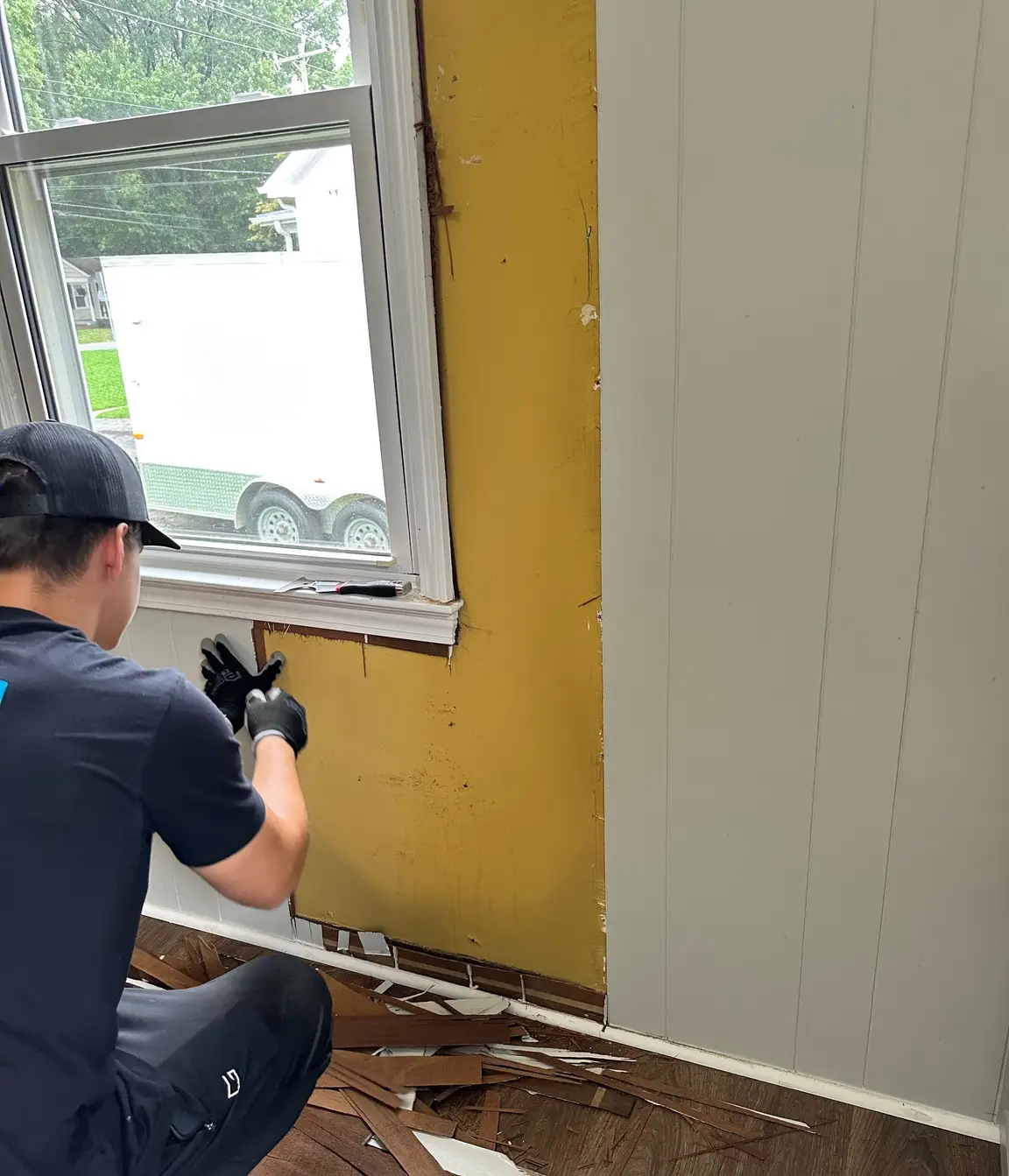
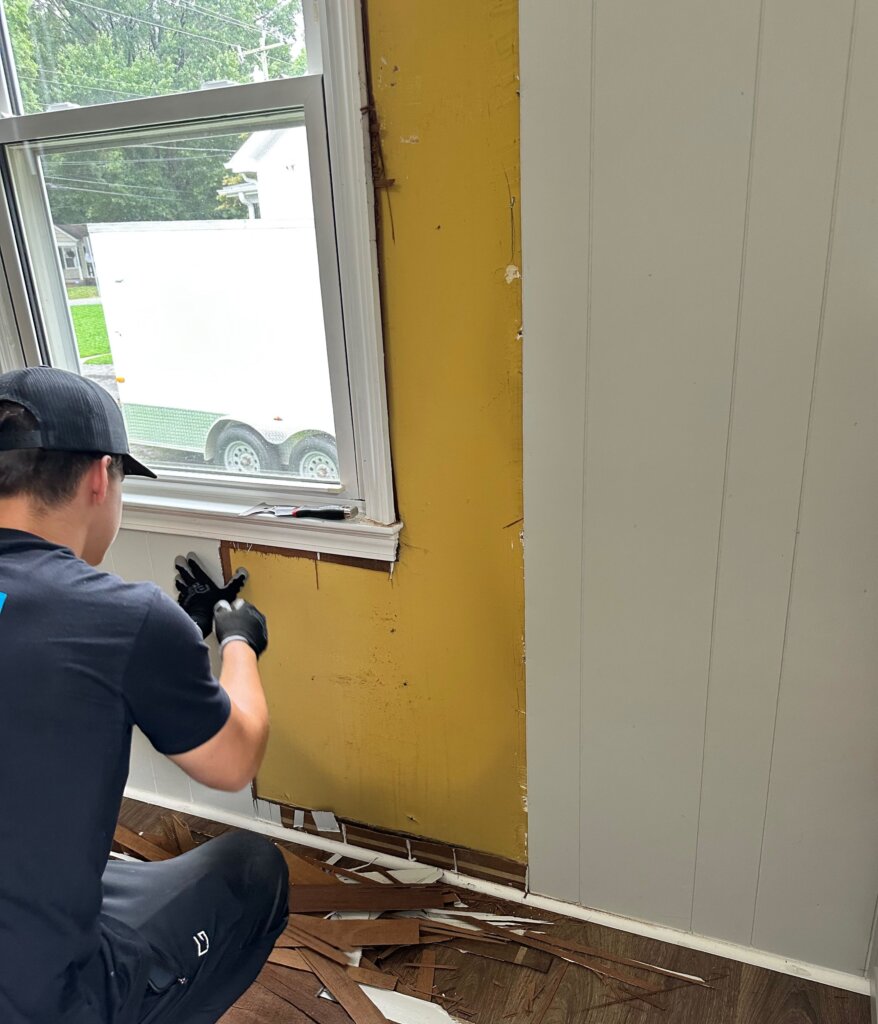
The home was built in the 1960s and has wood paneling in several rooms. The homeowner has painted it over the years and considers it dated but serviceable.
A buyer planning to renovate the home has to ask:
What is behind the paneling?
Removing it could reveal sound walls that need only minor repairs. It could also uncover damaged plaster, old adhesive, outdated wiring, missing insulation, moisture damage or building materials that require specialized testing.
Homes built in the 1960s were constructed under different building codes and with materials that may no longer be commonly used. Certain asbestos-containing spray-applied materials were banned in 1973, and asbestos-containing wall-patching compounds were banned in 1977 (EPA regulatory history). However, asbestos was not eliminated from every building product at once, and older materials may still be present in homes today.
That does not mean every older home contains asbestos. It also does not mean that intact material automatically creates a hazard. The concern often arises when renovation work requires a material to be cut, scraped, sanded or removed.
A buyer cannot determine the full cost merely by looking at the painted paneling.
Testing may be required. Demolition could be delayed. Specialized contractors may be needed. Once the buyer owns the house, the cost of whatever is discovered belongs to the buyer.
The homeowner sees painted paneling.
The cash buyer has to price the question mark behind it.
Repairs Cost More Than Most Homeowners Expect
Homeowners often estimate repairs one item at a time.
They may allow a few thousand dollars for paint, flooring or landscaping. A cash buyer must evaluate the entire project, including:
- Roofing, HVAC, plumbing and electrical work
- Water or structural concerns
- Permits and licensed contractors
- Kitchens, bathrooms, flooring and paint
- Cleanup and debris removal
- Taxes, insurance and utilities during the renovation
- Financing and holding costs
- Unexpected repairs discovered after work begins
Labor, materials, insurance and skilled-trade costs have all increased. A repair that cost $5,000 several years ago may cost considerably more today.
The buyer also needs a contingency for the work that cannot be identified until walls are opened, flooring is removed or contractors begin the project.
That contingency is not necessarily an attempt to take advantage of the homeowner. It is how the buyer protects against an uncertain renovation budget.
Today’s Market Leaves Less Room for Error
In much of the Charlotte area, the market has shifted to favor buyers more than it did during the strongest seller-market years. Buyers generally have more choices, and condition tends to matter more than it used to.
This varies by neighborhood and price point. Some areas continue to hold their value well. Others may see softer pricing, longer time on market or more seller concessions, and that can shift from one part of town to the next.
Investors feel this too. Higher repair costs, higher financing and insurance costs, and softer rents in some pockets of the market all narrow the margin an investor has to work with.
A cash buyer cannot assume that a renovated home will immediately sell for the highest neighborhood price. The home may sit on the market. The eventual buyer may negotiate, request closing-cost assistance or choose new construction with builder incentives.
Every additional month creates more expenses.
That is why a cash buyer’s offer is based not only on the home’s potential value, but also on the time, cost and risk required to reach that value.
The Short Version of How the Number Gets Built
A cash buyer starts with what the home could sell for once fully renovated, then works backward, subtracting repairs, selling costs, holding costs and a required return. What is left over is the offer.
Two buyers can look at the same house and land on different numbers, because their contractor costs, financing terms and risk tolerance differ.
I walk through the actual math, line by line, in Cash Offer vs. Listing Your Home in Charlotte: Which Nets More?. This post is about why the number often surprises homeowners in the first place. That one is about what the number is actually made of.
Consider an Inspection Before Making a Decision
A pre-sale home inspection can provide a more objective assessment of the home’s visible systems and condition.
A general home inspector evaluates components such as the roof, foundation, plumbing, electrical system and HVAC equipment. The inspector is not there to decide whether the kitchen is fashionable or whether the paint color will appeal to buyers.
However, a standard inspection cannot reveal everything behind walls, and it does not necessarily determine whether a material contains asbestos. Specialized environmental testing may be required when certain materials are suspected.
An inspection can still help homeowners identify larger concerns, obtain realistic contractor estimates and compare their selling options with better information.
Homeowners should also understand that learning about a material defect may create disclosure obligations during a future sale. The benefits and implications should be discussed with a qualified real estate professional or attorney.
The Real Comparison Isn’t Cash vs. List Price
A traditional buyer may offer more than a cash buyer, but the higher price does not automatically produce the highest net proceeds. Repairs, commissions, concessions, carrying costs and the risk of a deal falling through all take a bite out of that bigger number.
I walk through a full side-by-side example, including a real repair-cost scenario, in The Renovation Gap: Ballantyne Cash Offer vs. Listing. The short version: the question worth asking is not “cash offer versus listing price,” it’s “how much will I likely keep after repairs, selling expenses, carrying costs, negotiations and risk?”
Do Not Sell Solely Because Someone Promises Speed
When you do not need to sell, accepting a steeply discounted offer merely because the buyer can close quickly may not be the best decision.
You may have time to make selected repairs, prepare the property for the market, rent it or wait until your circumstances are clearer.
However, once a sale becomes necessary, waiting without a plan can also reduce your equity.
Mortgage payments, property taxes, insurance, utilities and maintenance continue. Vacant homes can deteriorate. Roofs, plumbing systems and HVAC equipment do not improve with age. A repair that is manageable today may become more extensive later.
The goal is not to sell as quickly as possible.
The goal is to understand the condition of the home, the likely costs of each selling option and what you will realistically receive at closing.
A Cash Buyer Should Explain the Number
A reputable cash buyer should be willing to explain the assumptions behind the offer.
Ask what value the buyer expects after repairs, how the repair budget was calculated, whether the offer can change after inspections and whether additional fees will be deducted at closing.
Be cautious of a company that provides an attractive preliminary offer before seeing the home and then substantially reduces the number later.
At JMS Home Buyers, we believe homeowners should understand the numbers before making a decision.
A direct cash sale may make sense when a home needs extensive work, the seller values certainty or the situation requires a faster closing. In other cases, repairing the home or listing it on the open market may preserve more equity.
The right decision depends on what the home needs, what the market will support and what matters most to the homeowner.
See Both Numbers Before You Decide
If you want to know what your home could bring on the open market and what a fair cash offer would look like, I can walk you through both, side by side, with no obligation.
Get a no-obligation cash offer or call 704-707-6016 to talk it through.